

Small but mighty — you're the Penny!

Ah, the Penny. Humble, everywhere, and somehow always ending up in a jar on someone's dresser never to be spent. That's you, and honestly? There's a lot going on here.
You are the most recognized person in any room, yet perpetually underestimated. People say things like "oh, it's just a penny" while simultaneously never throwing you away. They keep you around. They toss you into fountains and make wishes on you. That's not nothing. That's actually a lot of power for someone who costs less than a cent to make.
Lincoln is on your face, which means you are technically associated with one of the most beloved figures in American history. Feel free to bring that up whenever someone tries to dismiss you at a dinner party.
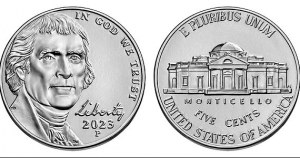
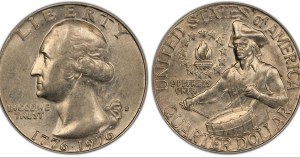
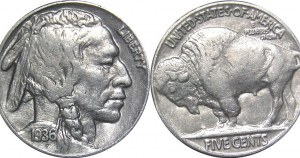
The copper aesthetic is giving warm, approachable, slightly vintage. You are not flashy like a quarter, and you are definitely not smug like a nickel who thinks he's bigger than he is. You are consistent, classic, and present in literally every transaction whether anyone notices or not.
Some people think you should be discontinued. Those people are wrong, and deep down they know it. You've outlasted every argument against you. Respect.
Things We Learned About You From Your Answers
In Relationships
You're the friend who shows up to everything, remembers birthdays, and quietly holds the group together. People love having you around but rarely plan around your needs. The downside: you accumulate small resentments like loose change in a drawer, never spending them until one day the jar tips over and everyone's baffled by the mess.
At Work
You thrive in roles where consistency matters more than flash—operations, support, logistics, the unglamorous machinery that keeps a company running. Managers rely on you and forget to promote you. You struggle in visibility-driven environments where self-promotion decides raises, because you assume the work speaks for itself. It doesn't. You'd rather stack up quiet wins than pitch a single loud one.
Tidbit
Fred Rogers, who built decades of children's television on patience and small, repeated acts of kindness rather than spectacle. He testified before the Senate in 1969, calmly securing $20 million in public broadcasting funding without raising his voice.